Common household pests in Florida: an identification overview
Every DIY plan starts with the same step: name the pest. UF/IFAS puts it plainly for ants: “Determine the kind of ant infestation so control actions can be selected properly.”1 The same is true for roaches, termites and everything else on this page. A bait that wipes out one species can be useless against its look-alike.
This page is the starting point for the whole site. Each section shows what the pest looks like, gives a quick way to recognize it, and links to our detailed guide when there is one. Guides are added regularly, so check back.
Jump to: Cockroaches · Ants · Termites · Mosquitoes · Fleas and ticks · Bed bugs · Silverfish · Spiders · Rats and mice · Lawn pests
At a glance
| Pest | Where Florida homeowners usually notice it | First clue |
|---|---|---|
| German cockroach | Kitchen and bathroom2 | Small roach with two dark stripes behind the head3 |
| “Palmetto bug” (American, smokybrown and other large roaches) | Yard, mulch, garage; wanders indoors2 | 1¼–2 in long2 |
| Red imported fire ant | Lawns and landscaped yards4 | Soil mound; ants swarm out and sting when it’s disturbed5 |
| Ghost ant | Indoors in wall voids, cracks and potted plants, or outdoors6 | Tiny ant with a dark head and a pale, see-through abdomen6 |
| Formosan subterranean termite | Swarms indoors or at lights, April to June7 | Winged swarmers; mud tubes7 |
| Yellow fever mosquito | Around the house, by day8 | Containers holding water8 |
| Cat flea | In and around homes with pets9 | Bites; tiny jumping insects9 |
| Ticks | On people and pets10 | Lone star tick: white dot on the female’s back10 |
| Bed bug | Mattresses, furniture11 | Reddish-brown spots on mattresses11 |
| Silverfish | Bathrooms, attics and other humid, concealed spots12 | Silver, scaly, wingless insect12 |
| Southern black widow | Wood and rock piles; garages and sheds13 | Shiny black with a red hourglass13 |
| Roof rat | Attics, palm trees, shrubbery14 | Tail longer than head and body14 |
| Southern chinch bug | St. Augustinegrass lawns15 | Yellowing patches in sunny, dry spots15 |
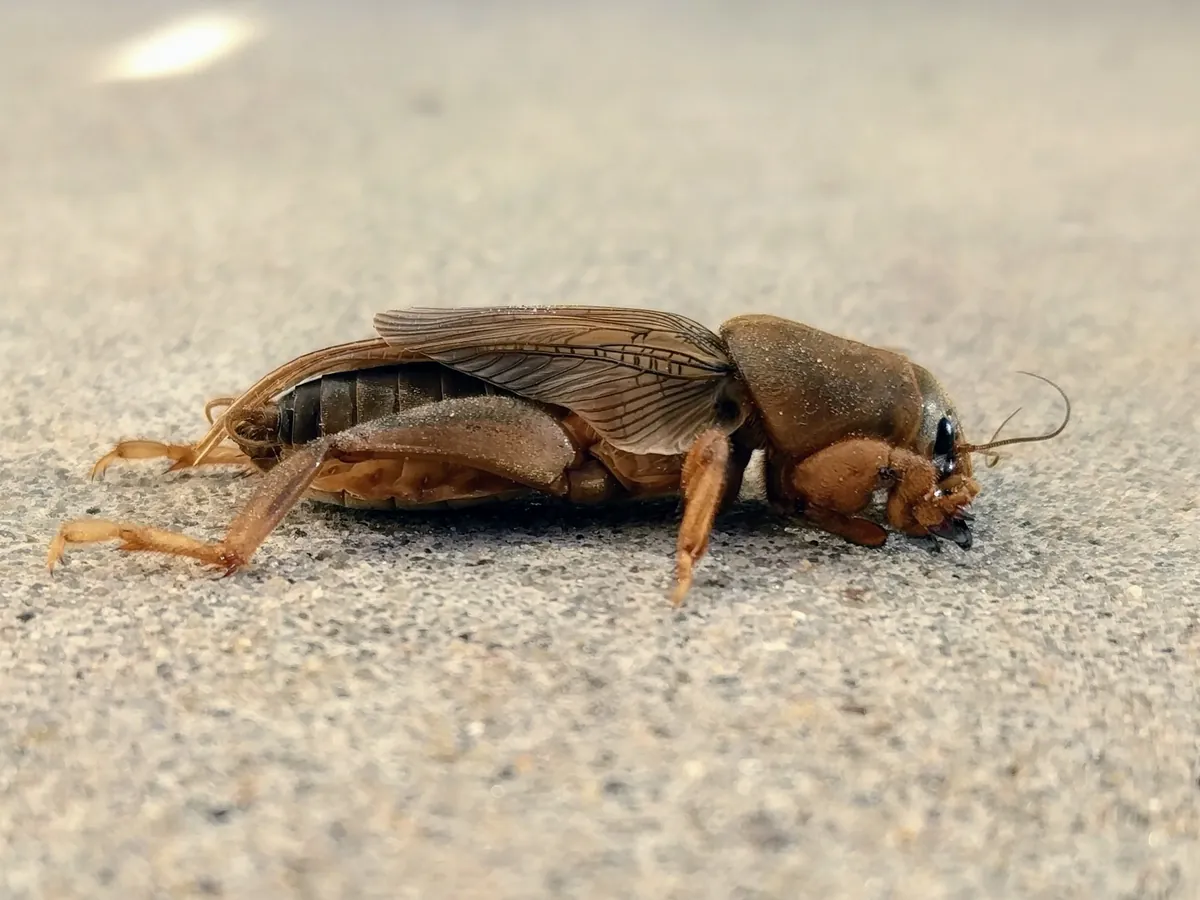
| Mole crickets | Lawns (bahiagrass, Bermudagrass, St. Augustinegrass)16 | Tunneling and bare patches16 |
Cockroaches
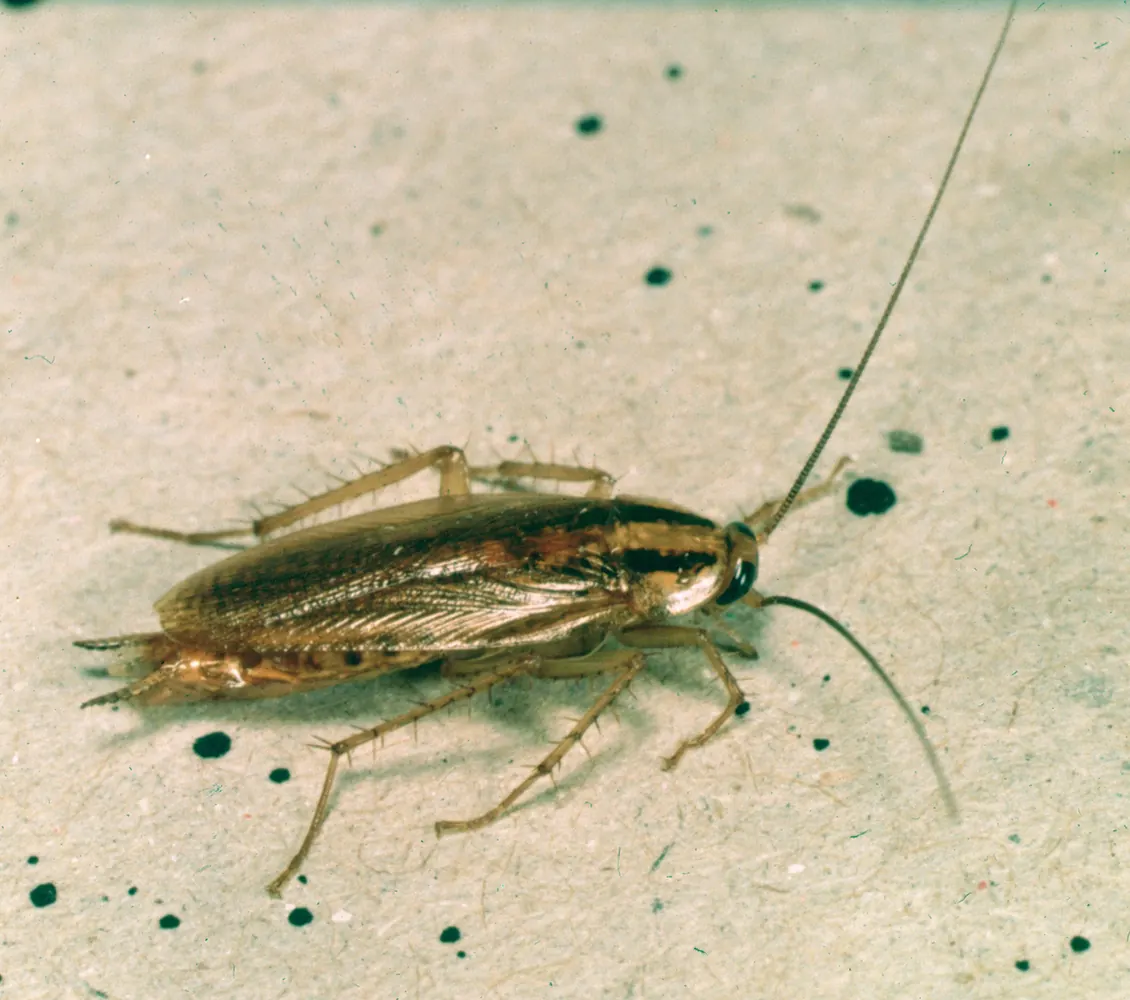


- German cockroach. 10–15 mm (about ⅜–9/16 in) long, with two distinct dark parallel bands on the shield behind the head. It lives only where people do.3 Find it in the kitchen and bathroom.2
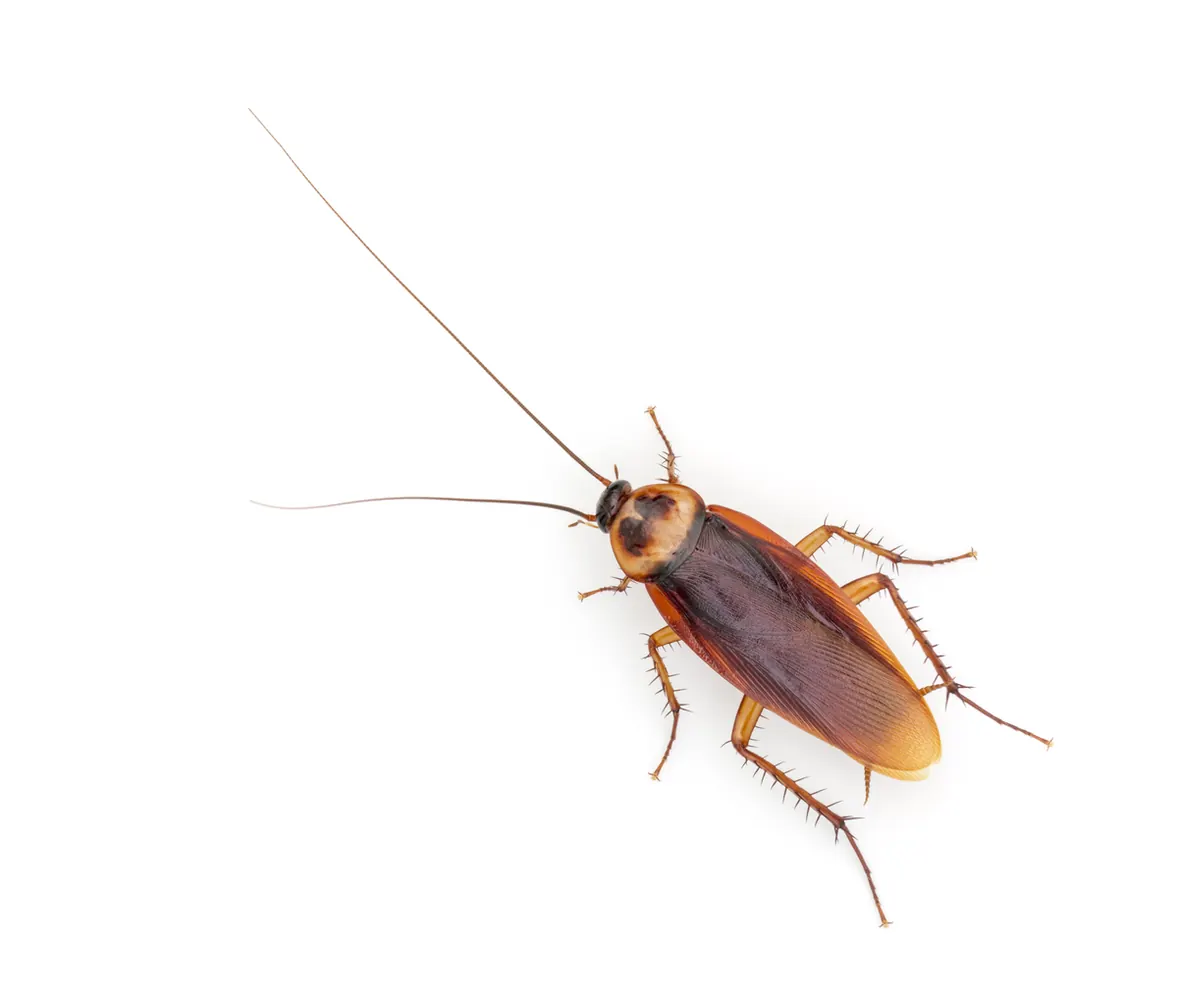
- “Palmetto bugs.” UF/IFAS says the larger cockroaches (American, Australian, brown and smokybrown) are 1¼ to 2 inches long and “are often called palmetto bugs.” They “do not survive well indoors.”2
Our guide: German cockroach vs. palmetto bug: how to tell them apart and what DIY control works
Ants
UF/IFAS lists the ants most often found in and around Florida homes as pharaoh, white-footed, Argentine, ghost, pyramid, carpenter, rover, native fire, imported fire, crazy, thief, Caribbean, acrobat and big-headed ants.1 Ants have a narrow, pinched waist and elbowed antennae. Winged ants have front wings much larger than the hind wings, which is how you tell them from termite swarmers: termites have a broad waist and four wings of equal size.1
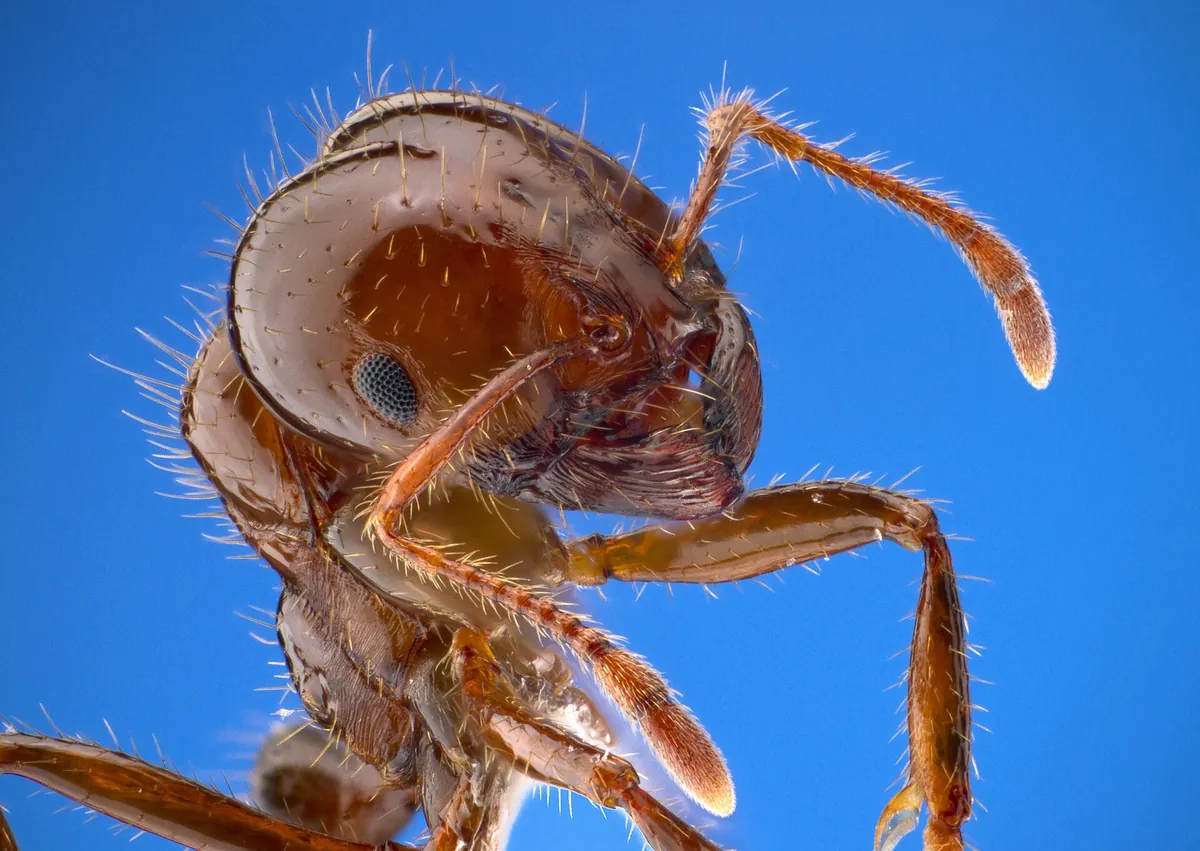


- Red imported fire ant. UF/IFAS calls it the most notorious of Florida’s fire ants. Workers come in many sizes, from 2.4 to 6 mm (⅛ to ¼ in), and are red to brown with a darker abdomen.5 The mounds are built of soil. In sandy soils they are flatter and less visible.4 When a mound is disturbed, the ants pour out to bite and sting, and a white pustule usually appears at the sting site the next day.5
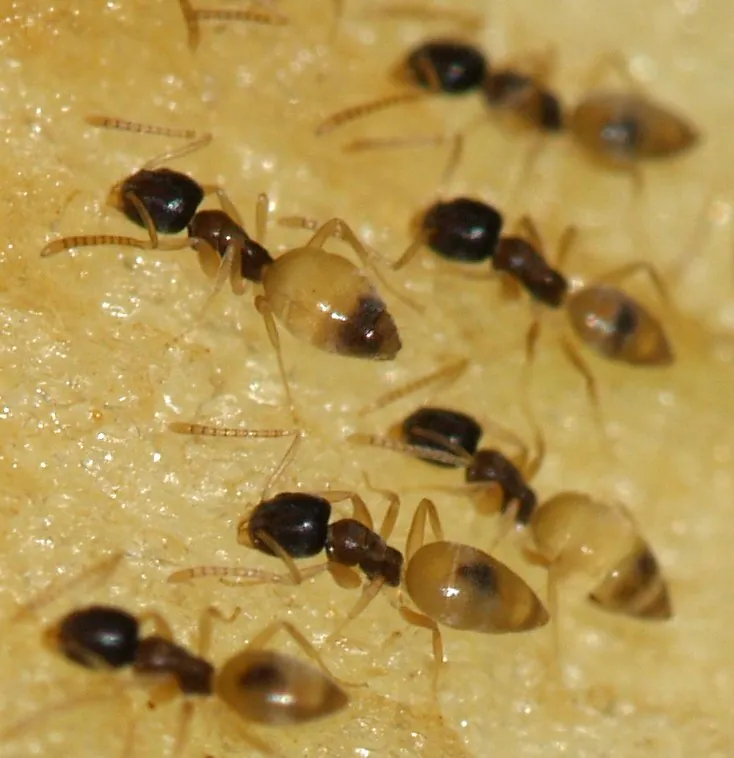
- Ghost ant. Workers are extremely small, 1.3 to 1.5 mm long, with a deep dark brown head and thorax and a milky white abdomen and legs, which make them hard to see.6 UF/IFAS says that by 1995 it was common in central and southern Florida and had been elevated to major pest status. It nests readily outdoors or indoors (in wall voids, between cabinets and baseboards, and in potted plants), and workers run rapidly and erratically when disturbed. UF/IFAS calls it “a very common pest inside homes.”6
Our guide: Fire ants in Florida yards: how to identify them and the bait-first DIY plan
Termites
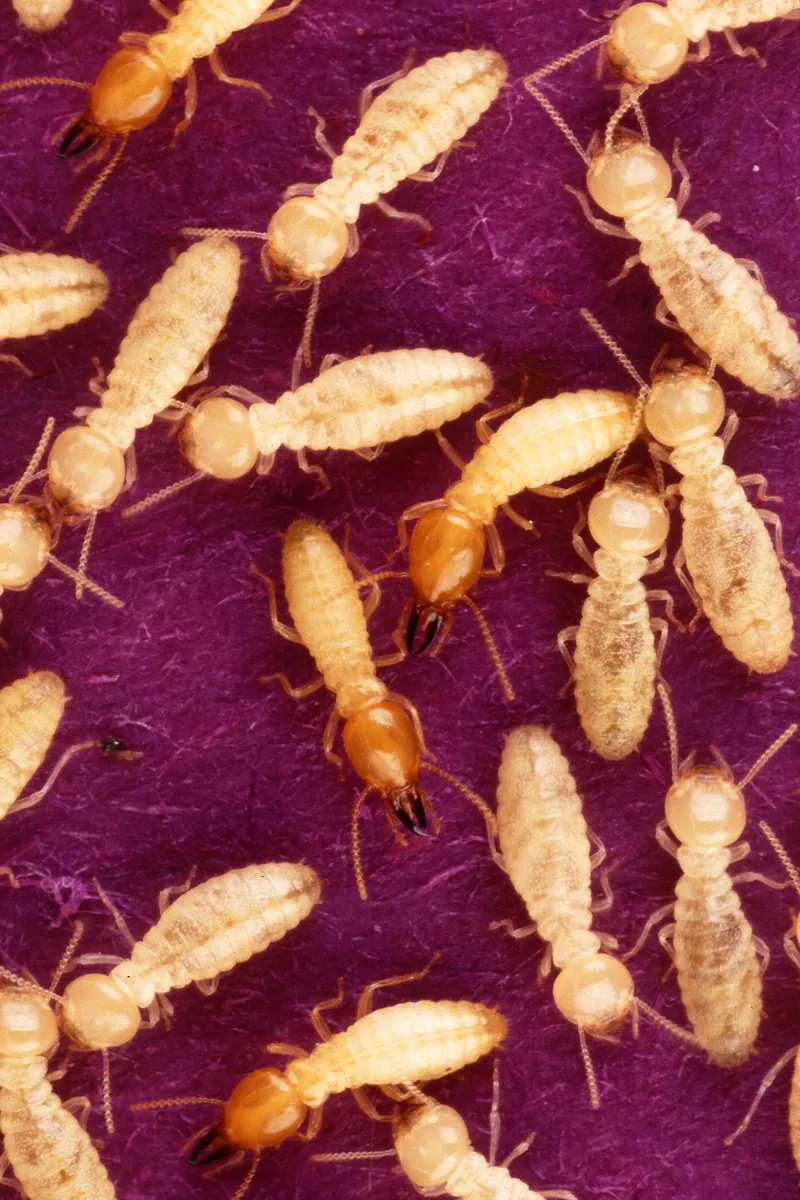
UF/IFAS calls the Formosan subterranean termite an invasive species that “can cause significant structural damage.” In Florida it is found throughout the state, mainly in densely populated urban areas.7
- Swarmers. Winged termites (alates) are about 12–15 mm (0.5–0.6 in) long, and Formosan alates are typically orange or light amber-brown. In Florida this species usually swarms from early April to late June, shortly after sunset, peaking in May. In an infested building, swarms can happen indoors.7
- Soldiers and workers. Soldiers are about 4–5 mm long, with a white body and a brownish-orange, teardrop-shaped head. Every termite has bead-like antennae.7
- Mud tubes. Subterranean termites build mud tubes of soil and saliva. Tubes and damage can point to termites, but UF/IFAS says live termites are needed to confirm an active infestation.7
UF/IFAS says controlling subterranean termites “requires professional pest control services and over-the-counter products are unlikely to be effective.”7 If you find swarmers or mud tubes, get inspections from licensed companies.
Mosquitoes
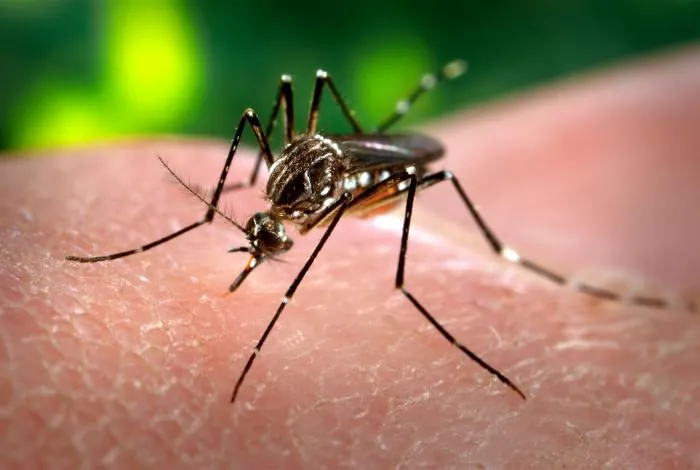
The yellow fever mosquito is small to medium-sized, about ¼ inch, with white bands on the hind legs and white scales on its back in the shape of a lyre. The similar Asian tiger mosquito has a single white stripe down the middle of its back instead.8 UF/IFAS says Aedes aegypti still thrives in urban South Florida. Females bite mostly people and are active in the daytime. It is a “container-inhabiting” mosquito that often breeds in unused flowerpots, spare tires, untreated swimming pools and drainage ditches, so emptying standing water around the house is the first line of defense.8
Fleas and ticks
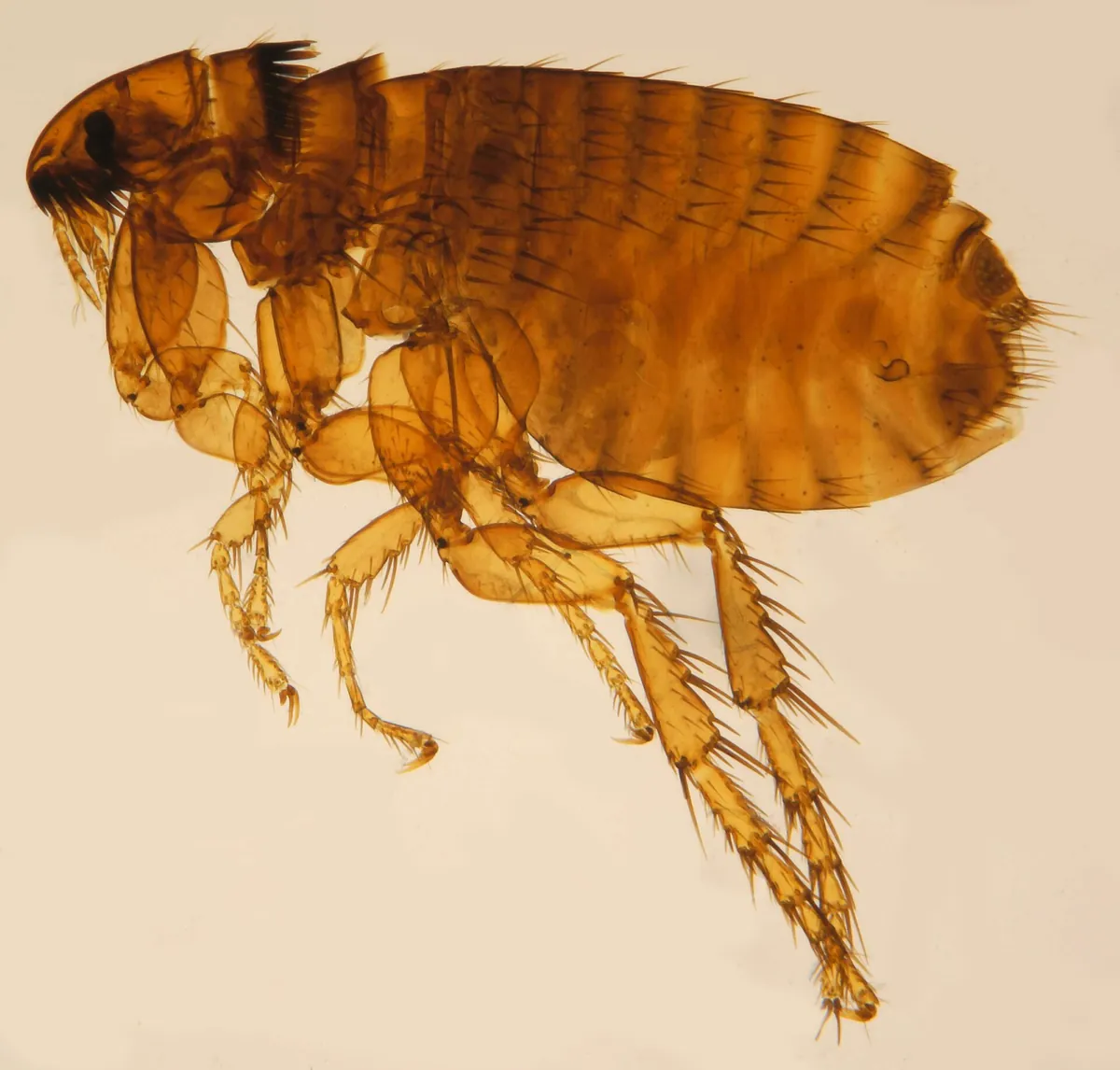


- Cat flea. UF/IFAS says it is the most common domestic flea, found on both cats and dogs in North America. Adults are about 1 to 3 mm (1/32 to ⅛ in) long, reddish brown to black, wingless and flattened side to side, with powerful hind legs for jumping. The adult is the only stage that lives on the pet, so the eggs, larvae and pupae are in the home and yard. Cat fleas can carry the dog tapeworm and can cause flea allergy dermatitis.9
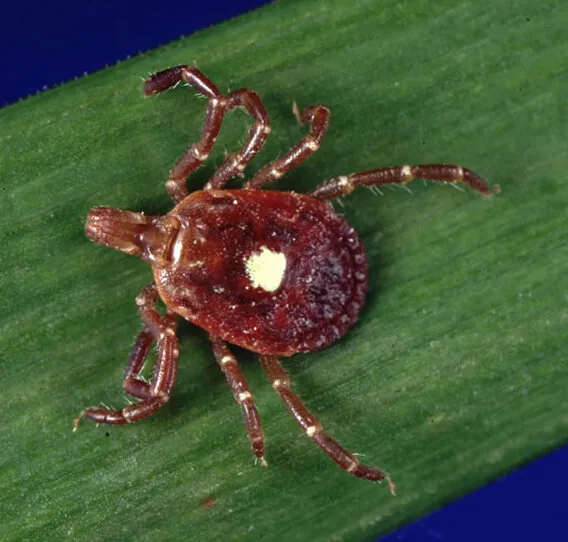
- Ticks. The CDC calls the lone star tick “a very aggressive tick that bites humans.” The adult female has a white dot, or “lone star,” on her back.10 The brown dog tick is found worldwide, and dogs are its main host in every life stage, though it may also bite people. The CDC also maps the American dog tick, the blacklegged tick and the Gulf Coast tick in the eastern or southeastern United States.10
Bed bugs
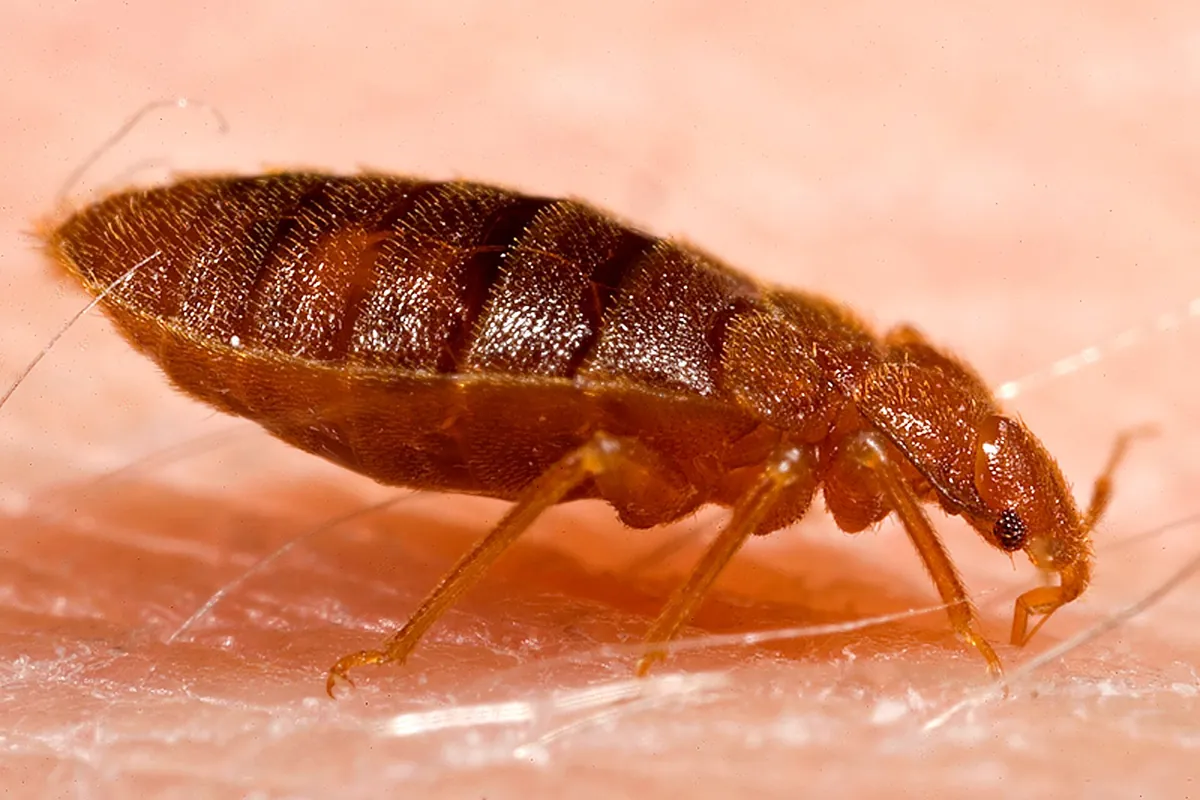
Bed bugs are flattened, oval insects with greatly reduced wings. Before feeding they are usually brown and 6 to 9.5 mm (¼ to ⅜ in) long, and after feeding the body is swollen and red.11 Signs of an infestation include excrement around their hiding places and reddish-brown spots on mattresses and furniture. UF/IFAS adds that infestations have turned up in upscale hotels and private homes, so good sanitation alone is not enough to stop them.11
Silverfish
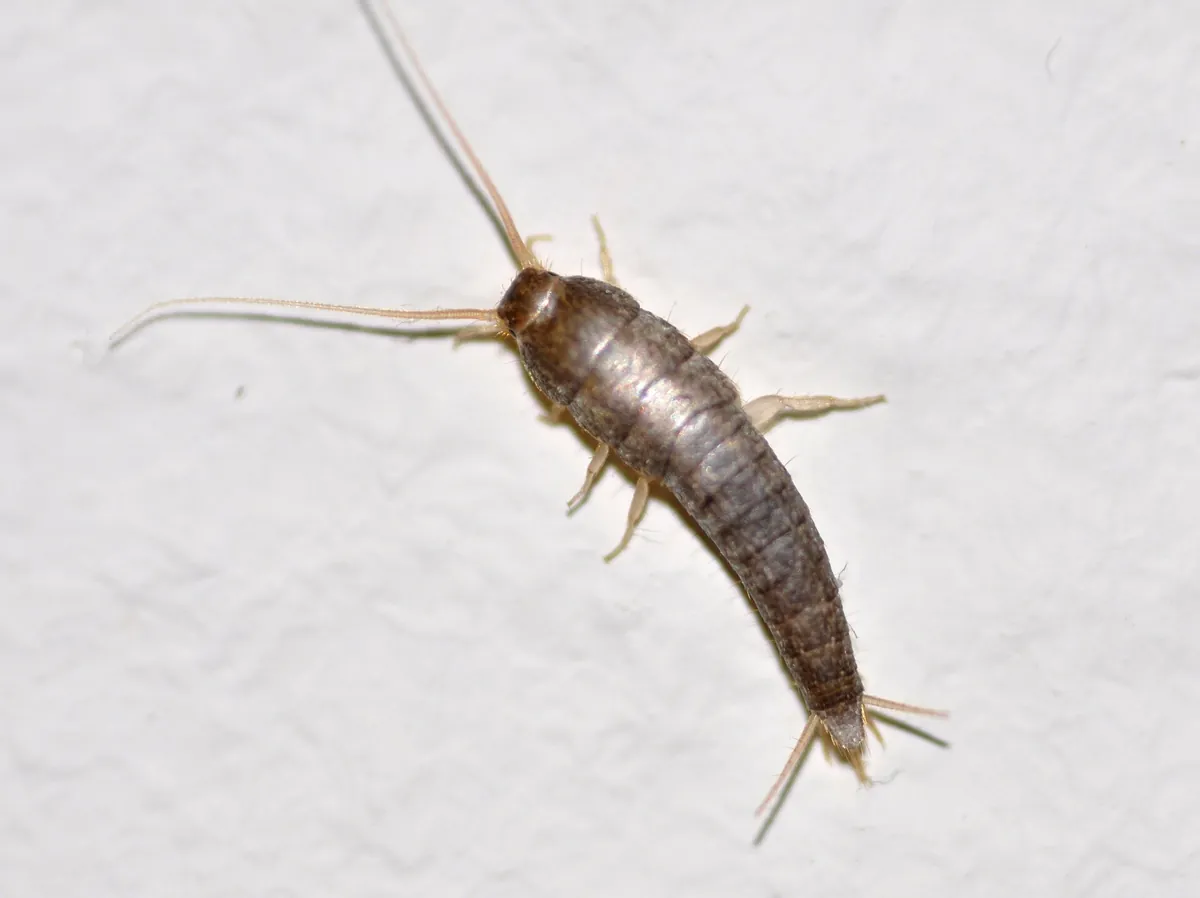
UF/IFAS describes silverfish as silver or pearl-gray, with a body covered in tiny glistening, fish-like scales. They are wingless and typically about 0.85 cm (⅓ in) long. They favor high humidity and are usually found indoors in concealed spots such as bathrooms, attics and basements.12
Spiders
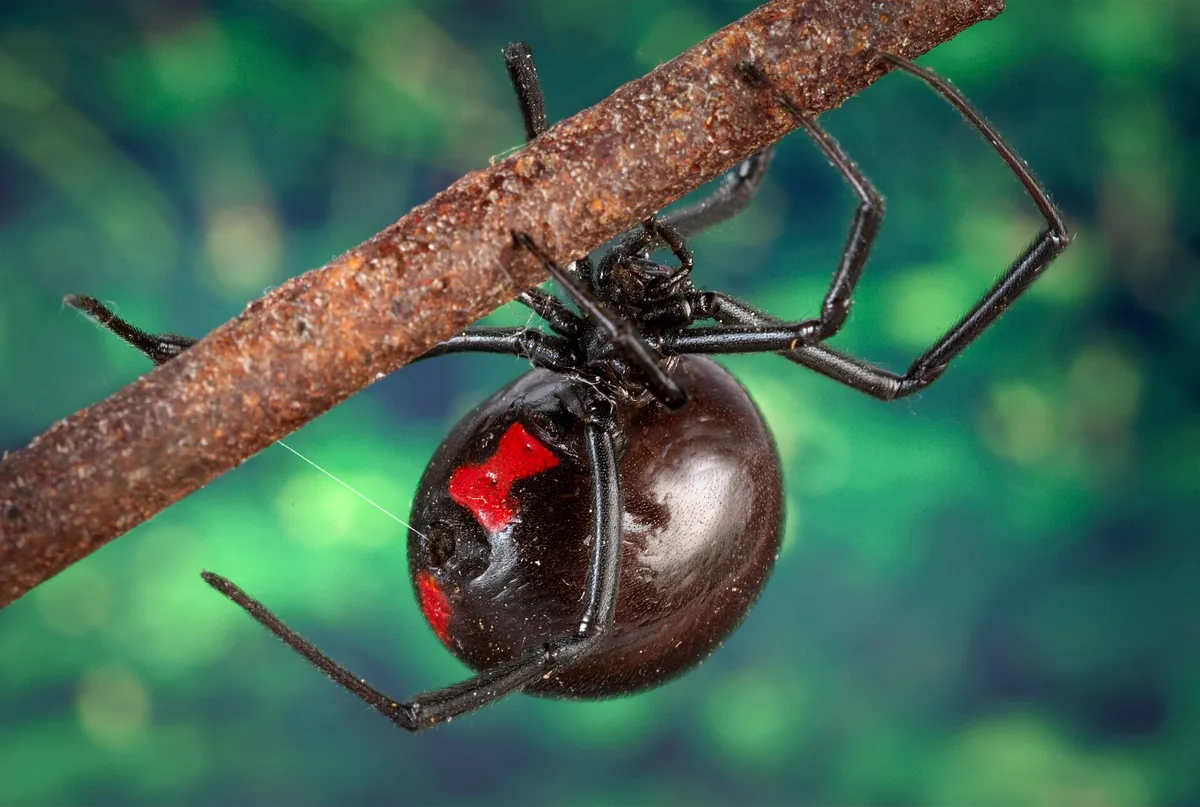
Most spiders around the house are harmless, but Florida has four widow spiders: the southern black widow, brown widow, red widow and northern black widow.13 The female southern black widow is a shiny black spider with a distinctive, complete red hourglass on the abdomen. Females are 1.5 to 2 inches including the legs, with a body about ½ inch long. They live in wood and rock piles, rodent burrows and hollow stumps outdoors, and in garages, sheds and basements indoors. Widows have potent venom, though UF/IFAS notes that death from a black widow bite is rarely reported.13 Wear gloves when you reach into those spots, and get medical care after a widow bite.
Rats and mice
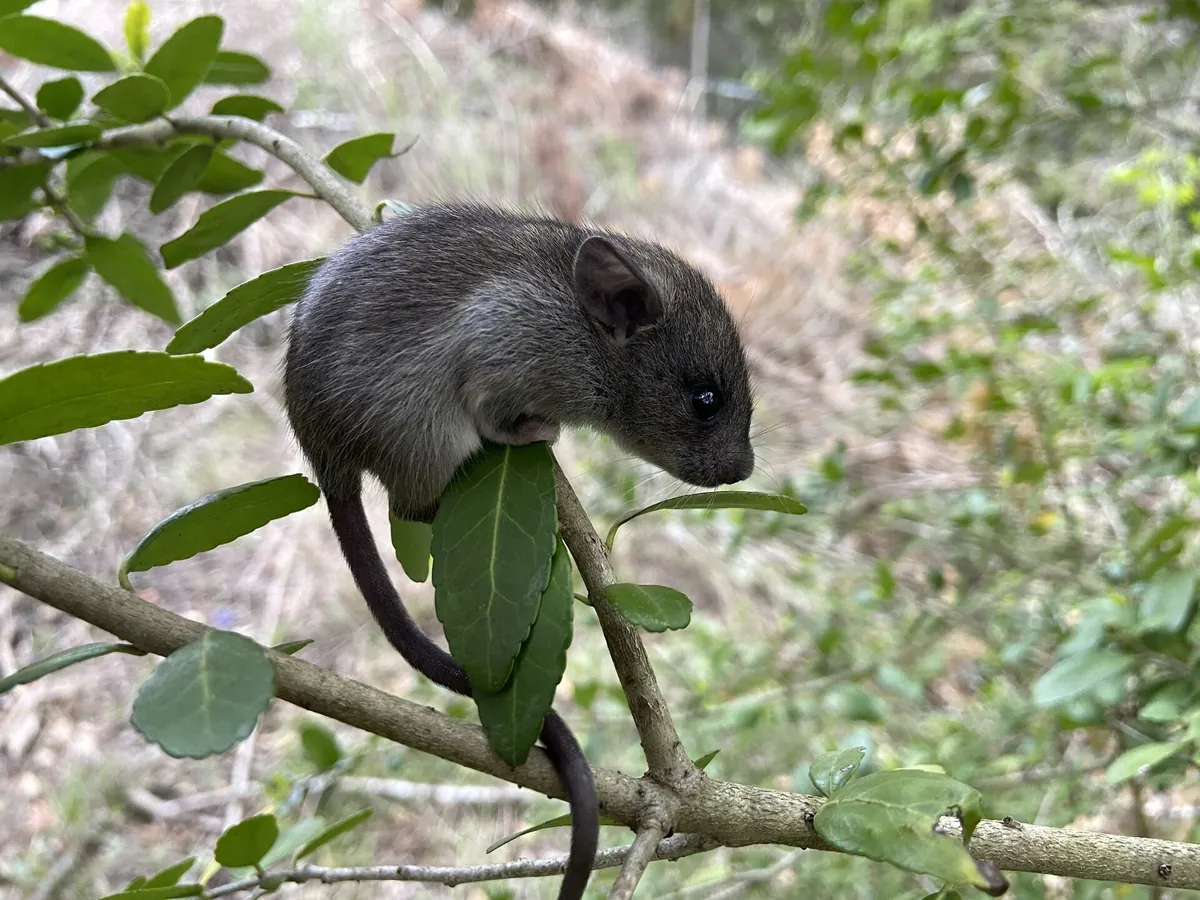
UF/IFAS names the Norway rat, roof rat and house mouse as the most persistent rodents that need control. Rats and mice contaminate food with urine, droppings and hair and can carry diseases, and they can start fires by gnawing on wires.14
| Roof rat | Norway rat | House mouse | |
|---|---|---|---|
| Where in Florida | Attics, roof spaces, palm trees and ornamental shrubbery; prefers to nest off the ground14 | Most common along sea coasts and canals14 | Behind walls and in cabinets and furniture14 |
| Look | Black to grizzled gray to tan with a light belly; tail longer than head and body14 | Reddish brown and heavy-set, blunt muzzle; tail about as long as head and body14 | Brown to gray, tail as long as the body; adults about ½ ounce14 |
| Droppings | Up to ½ in, spindle-shaped14 | ¾ in, capsule-shaped14 | ⅛ in, rod-shaped14 |
Lawn pests
- Southern chinch bug. A pest of St. Augustinegrass. Adults have a black body about 6 mm (¼ in) long and white wings with a black spot on the margins. Young nymphs are yellow, then red with a pale band across the abdomen. Damage shows up as discolored, usually circular patches, first in water-stressed areas along the lawn’s edges or in full sun.15
- Mole crickets. Three introduced species — the shortwinged, southern and tawny mole crickets — are the most damaging in the Southeast. They have enlarged front legs for digging and tunnel through the top 20–25 cm (8–10 in) of soil, coming up to feed shortly after dusk. Tunneling can uproot or dry out young plants, and the southern mole cricket does much more tunneling damage than the tawny.16
Before you treat anything
- Confirm the pest. If you’re not sure, your county UF/IFAS Extension office can help identify a sample.
- Fix food, water and shelter first. The EPA says the most effective way to reduce pesticide risks is to control pests without chemicals first.17
- Read the label. The label is the law. Use a product only for the pests and sites it lists, at the rate it gives, and keep children and pets away as it directs.17
- Hiring help? In Florida, licensed pest control businesses hold an FDACS license whose number begins with “JB.”18
UF/IFAS Extension, ENY203 / IG080: Ants (Koehler, Vazquez & Pereira; reviewed 02/2025; opened Nov 16, 2026). Covers the most common Florida pest ants, ant vs. termite identification, and identifying the ant before choosing a control. ↩︎ ↩︎ ↩︎
UF/IFAS Extension, ENY-214 / IG082: Cockroaches and Their Management (opened Nov 15, 2026). Covers which large cockroaches are called palmetto bugs, their size, survival indoors and where German cockroaches are found. ↩︎ ↩︎ ↩︎ ↩︎ ↩︎
UF/IFAS Featured Creatures, EENY-002 / IN128: German Cockroach (revised December 2024; opened Nov 15, 2026). Covers adult size, the two pronotal bands, and its dependence on people. ↩︎ ↩︎
UF/IFAS Gardening Solutions: Fire Ants (opened Nov 16, 2026). Covers size and color, flatter mounds in Florida’s sandy soils, and where mounds are built. ↩︎ ↩︎
UF/IFAS Featured Creatures, EENY-195 / IN352: Red Imported Fire Ant, Solenopsis invicta (Collins & Scheffrahn; revised November 2013, reviewed May 2020; opened Nov 16, 2026). Covers fire ant species in Florida, worker size and color, mounds and stings. ↩︎ ↩︎ ↩︎
UF/IFAS Featured Creatures, EENY310 / IN532: Ghost Ant, Tapinoma melanocephalum (Nickerson, Bloomcamp & Pereira; revised February 2022, reviewed 02/2025; opened Nov 16, 2026). Covers worker size and color, pest status in Florida, indoor and outdoor nest sites and behavior. ↩︎ ↩︎ ↩︎ ↩︎
UF/IFAS Featured Creatures, EENY121 / IN278: Formosan Subterranean Termite, Coptotermes formosanus (Su, Scheffrahn, Gordon & Chouvenc; revised September 2025; opened Nov 16, 2026). Covers distribution in Florida, castes and identification, swarming season, mud tubes and the need for professional treatment. ↩︎ ↩︎ ↩︎ ↩︎ ↩︎ ↩︎ ↩︎
UF/IFAS Featured Creatures, EENY-434 / IN792: Yellow Fever Mosquito, Aedes aegypti (Zettel Nalen & Kaufman; revised February 2025; opened Nov 16, 2026). Covers identification, comparison with the Asian tiger mosquito, its status in South Florida, daytime biting and container breeding sites. ↩︎ ↩︎ ↩︎ ↩︎
UF/IFAS Featured Creatures, EENY-011 / IN137: Cat Flea, Ctenocephalides felis (Zentko & Richman; revised December 2024; opened Nov 16, 2026). Covers how common it is, adult size and appearance, life stages and medical significance. ↩︎ ↩︎ ↩︎
CDC, Where Ticks Live (July 30, 2025; opened Nov 16, 2026). Covers the lone star, brown dog, American dog, blacklegged and Gulf Coast ticks. ↩︎ ↩︎ ↩︎ ↩︎
UF/IFAS Featured Creatures, EENY140 / IN297: Bed Bug, Cimex lectularius (revised November 2024; opened Nov 16, 2026). Covers appearance and size, signs of infestation and the limits of sanitation. ↩︎ ↩︎ ↩︎ ↩︎
UF/IFAS Featured Creatures, EENY-705 / IN1211: Silverfish, Lepisma saccharina (reviewed 09/2024; opened Nov 16, 2026). Covers color, scales, size and where silverfish are found. ↩︎ ↩︎ ↩︎
UF/IFAS Featured Creatures, EENY-560 / IN1000: Southern Black Widow, Latrodectus mactans (revised March 2025; opened Nov 16, 2026). Covers the four widow species in Florida, identification, size, habitat, venom and medical importance. ↩︎ ↩︎ ↩︎ ↩︎
UF/IFAS Extension, ENY-224: Rat and Mouse Control (Koehler & Kern; revised October 2013; opened Nov 16, 2026). Covers the three main rodent pests, where they live in Florida, appearance, droppings and health risks. ↩︎ ↩︎ ↩︎ ↩︎ ↩︎ ↩︎ ↩︎ ↩︎ ↩︎ ↩︎ ↩︎ ↩︎
UF/IFAS Featured Creatures, EENY-226 / IN383: Southern Chinch Bug, Blissus insularis (revised June 2024; opened Nov 16, 2026). Covers its status as a St. Augustinegrass pest, adult and nymph appearance and damage patterns. ↩︎ ↩︎ ↩︎
UF/IFAS Featured Creatures, EENY-235 / IN391: Shortwinged, Southern and Tawny Mole Crickets (reviewed 03/2022; opened Nov 16, 2026). Covers the three introduced species, digging legs, tunneling depth, turfgrasses attacked and plant damage. ↩︎ ↩︎ ↩︎
U.S. EPA, Pesticide Safety Tips (opened Nov 15, 2026). Covers non-chemical control first and reading and following the label. ↩︎ ↩︎
FDACS, “How do I know if a pest control company is licensed?” (opened Nov 15, 2026). Covers JB license numbers. ↩︎